

The Trends of Multi-Generational Homes
- 16 March 2026
- Munif Ali
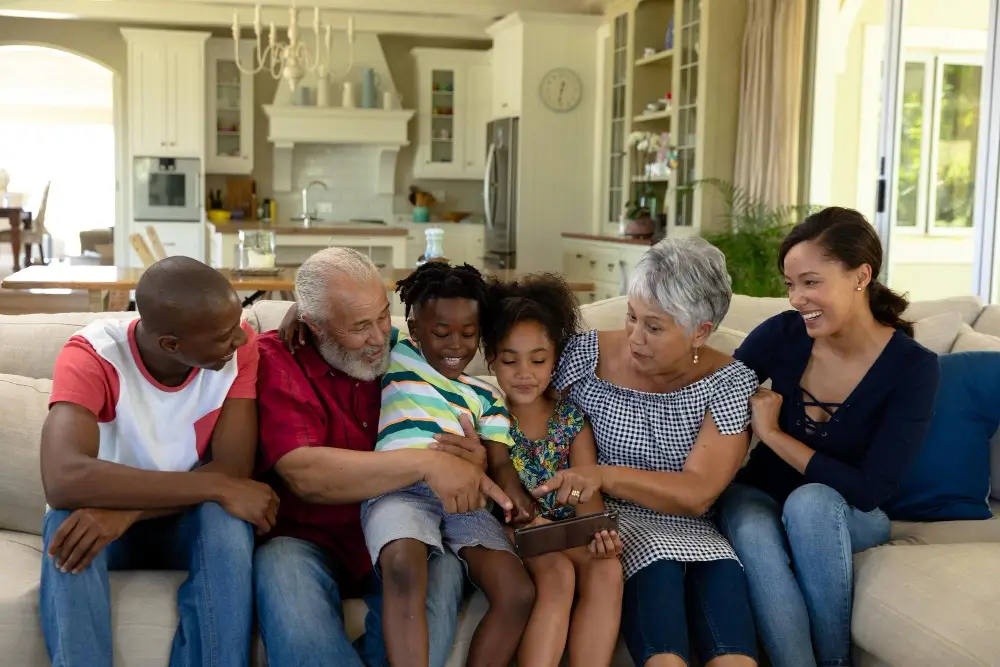
Shared living is experiencing a strong comeback. Over 59.7 million Americans live in multi-generational households, a number that’s doubled since 1980. Social, cultural, and economic changes are prompting more families to adopt shared living arrangements, driven by factors such as rising home prices and a growing desire for stronger family bonds.
What are Multi-Generational Homes?
Multi-generational homes are households where two or more adult generations live under one roof. While this may sound new, it reflects a traditional way of life that was common in many cultures and was only recently disrupted by mid-20th-century housing trends.
These households often include:
- Boomerang kids: Young adults who return home after college or job loss.
- Aging parents: Seniors who move in for care or companionship.
- Grandparents: Often provide support with childcare or household responsibilities.
The modern rise of homes for extended families reflects both practicality and a deeper sense of family connection.
Why Multi-Generational Living is on the Rise
Several forces are driving the increase in multi-generational living:
- Economic Pressures
Soaring housing prices, high inflation, and student debt are making independent living difficult for younger generations.
- Aging Population
As Baby Boomers age, many families are opting to provide care at home rather than in assisted living facilities.
- Cultural Influences
In Latino, Asian, and Middle Eastern cultures, shared living is a long-standing tradition rooted in family unity and respect.
- Post-Pandemic Shifts
COVID-19 reminded many families of the value of being close. Shared homes now offer built-in support systems, safety, and emotional connection.
Shared Living Space Design Trends
Architects and designers are reimagining the way space is shared among extended families, aiming to support independence while maintaining connection. This has led to a surge in creative, flexible, and functional home designs.
At the core of shared living space design is the need to strike a balance between privacy and community. Families often want the benefits of living together without sacrificing personal space or comfort. To meet these needs, several design trends are gaining popularity:
- Private Suites or Separate Entrances
Many new homes include in-law suites or even guest houses on the same property. These allow older family members or returning adult children to have their living quarters with private bathrooms and entrances.
- Dual Kitchens or Kitchenettes
To accommodate different eating schedules, dietary needs, or generational cooking styles, homes may feature two full kitchens or an additional kitchenette in a separate wing of the house.
- Accessibility Features for Aging Family Members
Homes designed for extended families often incorporate wider hallways, ramps, and no-step showers. Grab bars in bathrooms and lever-style door handles are subtle yet essential details for older residents.
- Soundproof and Privacy Features
Living in multi-generational homes requires understanding multiple routines. Some family members might be working from home, while others are raising small children. Designers are using extra insulation, pocket doors, and smart room layouts to minimize noise and maintain privacy.
- Smart Home Technology
Families are turning to smart locks, video doorbells, and whole-home security systems for both safety and convenience. Motion-sensor lighting, smart thermostats, and connected appliances help streamline daily routines for all age groups.
These thoughtful touches make it easier for families to live under one roof without stepping on each other’s toes. An effective shared living space design prioritizes adaptability so homes can evolve like family dynamics over time.
How the Real Estate Market Responds
As the demand for multi-generational homes grows, builders and real estate professionals are taking notice and adjusting accordingly. Homebuilders across the country are now offering floor plans specifically designed for homes for extended families.
In addition to layout changes, local governments are beginning to adapt zoning laws to accommodate this shift in lifestyle. More cities are allowing Accessory Dwelling Units (ADUs), which provide an ideal solution for those who need a separate but nearby living space for a parent, grandparent, or adult child. This flexibility in zoning is opening the door for more creative housing solutions and long-term investment potential.
From a market perspective, homes with multi-generational features are becoming more attractive to buyers. They’re gaining resale value due to their versatility and future-proof appeal.
The Pros and Cons of Multi-Generational Living
Multi-generational living offers undeniable benefits, but it also comes with its challenges.
Pros:
- Shared mortgage, utilities, and groceries reduce financial strain.
- Elder care and child care become easier and more affordable.
- Daily interaction often deepens family connections.
Cons:
- Different routines and lifestyles can clash.
- Generational gaps may lead to tension over rules or responsibilities.
- If expectations aren’t clearly set, finances can get messy.
Conclusion
As more families opt for multi-generational homes, success hinges on thoughtful planning and open communication. Start by establishing household responsibilities early on. Financial transparency is equally important; setting a shared budget can reduce stress in the long run. And when searching for a home, it’s worth working with a real estate professional who understands shared living space design and the unique needs of homes for extended families.
The team at Pacific Playa Realty specializes in helping families find properties that support multi-generational living across Los Angeles.
Key Takeaways
- Multi-generational homes are on the rise due to economic, cultural, and demographic changes.
- Builders and designers are responding with shared living space designs that support privacy.
- Proper planning is essential for maintaining harmony in homes for extended families.
References:
- Pew Research Center. (2022, July 20). A record 59.7 million Americans live in multigenerational households. https://www.pewresearch.org/fact-tank/2022/07/20/a-record-59-7-million-americans-live-in-multigenerational-households/
- National Association of Home Builders. (2024). Multigenerational Housing is More Than a Trend. https://www.nahb.org/blog/2024/01/multigenerational-housing-is-more-than-a-trend
- U.S. Census Bureau. (2023). Living Arrangements of Adults: 1967 to Present. https://www.census.gov/data/tables/time-series/demo/families/adults.html
- Houzz. (2023). How to Design a Home for a Multigenerational Family. https://www.houzz.com/magazine/how-to-design-a-home-for-a-multigenerational-family-stsetivw-vs~156912545