
Sustainable housing is reshaping how people buy, build, and invest in real estate. In recent years, eco-friendly homes have shifted from a niche interest to a mainstream priority, driven by rising environmental awareness, energy costs, and changing buyer values.
Today’s homebuyers are increasingly focused on long-term savings, healthier living environments, and reduced carbon footprints, making sustainable features a major selling point in the real estate market. Nearly half of younger buyers now actively seek homes that lower utility costs and support sustainable lifestyles, signaling a long-term shift rather than a passing fad (Green City Times, 2025).
Sustainable housing integrates renewable energy, efficient design, and environmentally conscious materials, helping homeowners save money while reducing environmental impact. As concern over climate change continues to grow and buyers place greater emphasis on both financial and ecological benefits, the sustainable property market is expected to remain a dominant force in real estate for years to come (AZ Big Media, 2025; Market Circulate, 2025).
Nowadays, property investors and homeowners alike are tapping into the sustainable property market, increasing both property value and market appeal. But what’s driving this shift, and why is it expected to last?
Why It Isn’t Just a Trend
1. It’s a Response to the Current Climate
Climate change is one of the biggest global challenges today, and it’s shaping buyer preferences. Homeowners are now considering how their property impacts the environment.
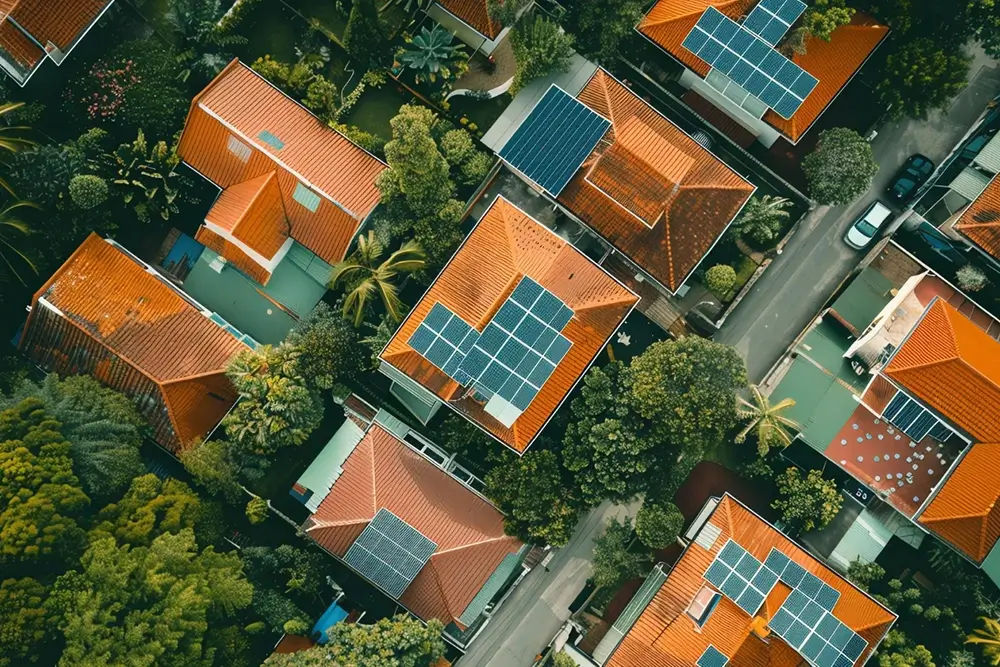
Eco-friendly homes often include energy-efficient appliances, advanced insulation, solar panels, and water-saving systems, all designed to reduce a household’s carbon footprint. Properties with green features are not only better for the planet—they’re also more attractive to buyers who value sustainability (Green Business Benchmark, 2024).
2. The Younger Market Prioritizes It
Millennials and Gen Z homebuyers are driving demand for homes that reflect their values. In fact, approximately 68% of young buyers consider energy efficiency and eco-conscious design a priority when searching for a new home (Number Analytics, 2025). This ensures that sustainable housing will remain a central feature in the real estate market for years to come.
3. Green Housing Policies Support Adoption
Government incentives solidify the sustainability trend. Programs like California’s Affordable Housing and Sustainable Communities (AHSC) provide funding for eco-friendly developments and encourage energy-efficient construction.
Homeowners may also qualify for tax credits and rebates for solar panels, energy-efficient appliances, and water-saving devices. As policies continue to support green building, the sustainable property market will only grow stronger.
Practical Benefits of Eco-Friendly Homes
1. Reducing Utility Costs
One of the most tangible advantages of sustainable housing is cost savings. Energy-efficient appliances, solar panels, and smart home systems significantly lower electricity and water bills over time.
While upfront costs may be higher, research shows that eco-friendly homes can recoup these investments within a few years, making them financially practical as well as environmentally responsible (Leung, 2024).
2. Enhancing Property Value
Eco-friendly homes tend to sell faster and at higher prices compared to traditional homes. Buyers are willing to pay more for properties with energy-efficient features, low utility bills, and sustainable design. This is especially true in urban areas where energy costs are high, and green certifications like LEED or Energy Star provide additional market credibility.
3. Creating Healthier Living Spaces
Sustainable homes often include non-toxic materials, improved ventilation, and natural lighting, which contribute to healthier living environments. Homebuyers are increasingly aware of indoor air quality and the impact of building materials on their well-being, making these features a valuable selling point.
Designed by Freepik
The Impact on Communities
Sustainable real estate extends beyond individual homes. Eco-friendly neighborhoods are designed with walkability, green spaces, and public transportation in mind. These communities reduce carbon emissions, improve air quality, and enhance residents’ overall quality of life. For buyers seeking a modern lifestyle with an emphasis on environmental responsibility, these neighborhoods are highly appealing.
In fact, communities that integrate sustainable housing with public transit and green infrastructure see increased demand, demonstrating that eco-conscious development benefits both individuals and cities (California Housing Partnership, n.d.).
Achieving Sustainable Housing
To be part of the sustainable property market, homeowners and developers can focus on several key features:
- Energy-conserving features: Solar panels, geothermal heating, and advanced insulation reduce energy consumption and long-term costs.
- Sustainable materials: Bamboo, reclaimed wood, and recycled steel lower environmental impact while maintaining durability.
- Green certifications: LEED, Energy Star, or WELL Building Standard certifications not only improve credibility but may also provide tax incentives.
- Climate-resilient infrastructure: Flood-resistant designs, rainwater harvesting, and green roofing enhance durability and reduce potential damage from extreme weather.
Implementing these strategies ensures your property aligns with the growing market demand for eco-friendly homes while also contributing positively to the environment.
Overcoming Challenges
While the benefits of sustainable housing are clear, it’s not without challenges:
- Higher upfront costs: Eco-friendly materials and installations can require a larger initial investment, though savings accrue over time.
- Market education: Not all buyers understand the value of sustainable features, so proper marketing and education are essential.
- Maintenance requirements: Some green technologies, such as solar panels and geothermal systems, may require specialized maintenance.
Despite these hurdles, the long-term advantages make sustainable housing a smart investment.
The Future of Sustainable Real Estate
As governments, buyers, and developers increasingly prioritize environmental responsibility, the sustainable property market is set to grow. Energy-efficient homes, climate-resilient communities, and eco-friendly materials are no longer optional—they are expected. For investors, homeowners, and real estate professionals, understanding this trend is essential to staying competitive in a changing market.
FAQs
Agents act as a bridge between clients and the market, negotiating favorable terms, reviewing contracts, and addressing concerns. Their advocacy helps clients feel confident and protected during every stage of the transaction.
Buyer representation focuses on helping the purchaser find the right property, negotiate a fair price, and navigate inspections or contingencies. Seller representation centers on marketing the property effectively, attracting qualified buyers, and achieving the best possible sale outcome.
Look for someone with local market expertise, a strong track record, and excellent communication skills.
For first-time buyers, agents provide guidance on pricing, neighborhoods, financing, and inspection processes. Their support reduces overwhelm and increases the likelihood of a successful purchase.
Experienced agents know how to position a property and negotiate strategically, often resulting in a higher sale price for sellers or a better deal for buyers. Their expertise ensures clients don’t leave money on the table.
Yes. Local agents often have connections and networks that give clients early or exclusive access to listings before they hit public platforms.
Your next chapter in real estate could start today. Discover homes that match your lifestyle and long-term goals.
Key Takeaways
- Sustainable real estate is not a passing trend; it is shaping the future of housing for years to come.
- Factors driving this trend include climate awareness, younger buyers’ preferences, government incentives, and community planning.
- Eco-friendly homes offer practical benefits such as lower utility costs, higher property value, healthier living environments, and stronger market appeal.
- Achieving sustainability requires energy-efficient features, sustainable materials, green certifications, and climate-resilient design.
References:
Lee, S. (2025, July 5). The Future of Real Estate: Sustainability Trends. Number Analytics. https://www.numberanalytics.com/blog/future-of-real-estate-sustainability-trends
Leung, W. (2024, November 18). The Future of Sustainable Real Estate Trends: Building for a Better Tomorrow. Own Real Estate. https://www.theownteam.com/blog/the-future-of-sustainable-real-estate-trends-building-for-a-better-tomorrow/
Sustainable Communities. (n.d.). California Housing Partnership. https://chpc.net/policy/sustainable-housing/sustainable-communities/#:~:text=Connecting%20affordable%20housing%20for%20low,also%20reducing%20greenhouse%20gas%20emissions
Sustainable Real Estate: Key Trends and Future Trajectories. (2024, September 13). Green Business Benchmark. https://www.greenbusinessbenchmark.com/archive/sustainable-real-estate-trends-trajectories
Airbnb, J. (2024). U.S. Short-Term Rental Economic Impact Report. Airbnb. https://www.airbnb.com/resources/host